

San Luis Obispo Landscaper Blog
Fall Planting on the Central Coast
Anyone planning to take advantage of the abundant moisture and cool weather by planting a few of your favorite perennials this winter? Well, we've got some thoughts!
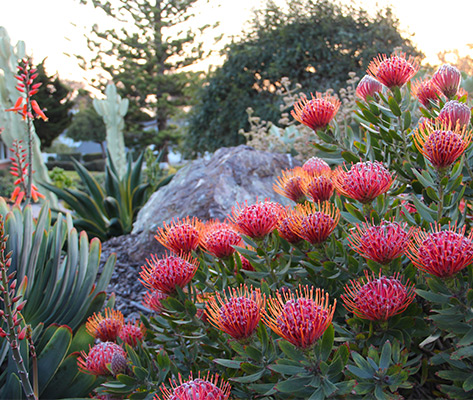
Protea In The Water-Wise California Garden
Named after the legendary sea god, Proteus, who could changed his shape at will, the family of Proteas has a surprising diversity of form, flower, and foliage across the different species.
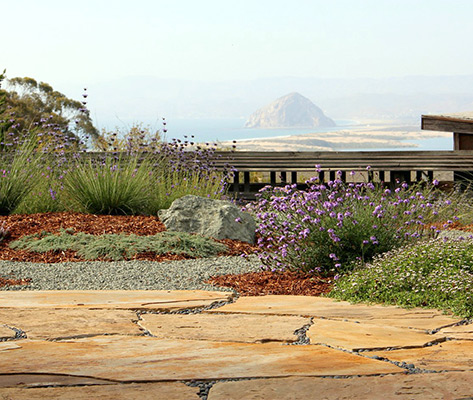
California Native Plants - Flora Delights!
California is known for its vast array of unique climates. Within a 5 hour driving radius you can be in the towering redwoods, the waves of the Pacific, the searing desert dunes, or the snow-capped sierra.
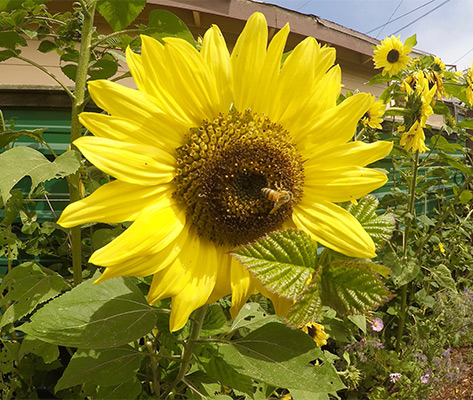
Keeping The Bees
In 2006, conservation biologists at the University of Goettingen in Germany teamed up with scientists at UC Berkeley to test the widely-accepted horticultural maxim that one out of three bites of food we eat depends on a pollinator such as bees (1). Surprisingly, or not, it turned out to be true.
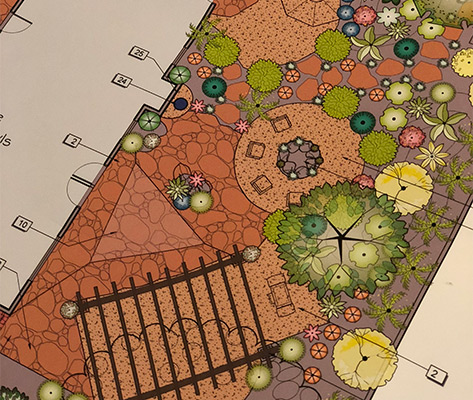
Landscape Design In San Luis Obispo County - Why Do We Do This??
It can come as a surprise to clients that cultivated landscapes require a drafted plan. Isn't a garden just some dirt and plants?? Maybe throw in some landscape rock (that's a thing, right?). Why the extra time, why the holdup? This is a question I enjoy clarifying because anything that helps you understand our process can ease the anxiety around it.
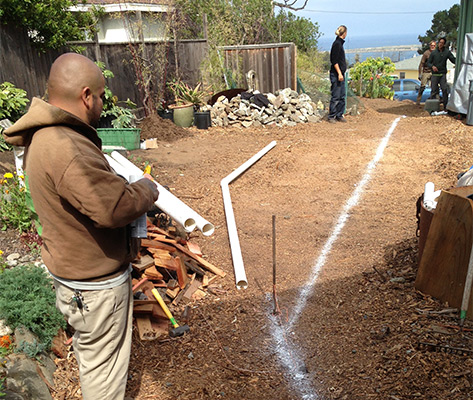
How To Be A Weekend Water Warrior
The record-breaking drought California experienced reminds us of how dependent we are on the natural world and its resources. Whether you've had your garden in the ground for years or you're in the market for a new one, it's never too late to dust off your conservation boots and save water.
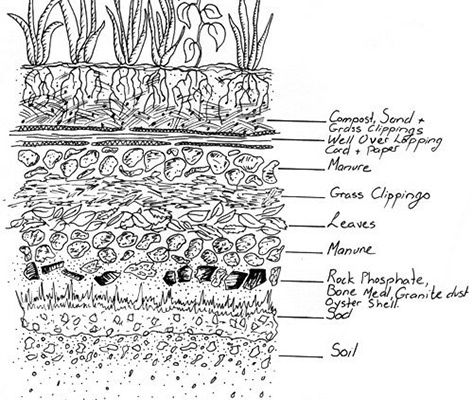
The Sheet-Mulching Legacy
While we may roll our eyes at some of the regrettable fads of the 70s, one lasting legacy from that era is a heightened environmental awareness. It was during the 1970’s that a pioneering figure in the sustainability movement, Bill Mollison, began teaching the principles the movement that became known as Permaculture.
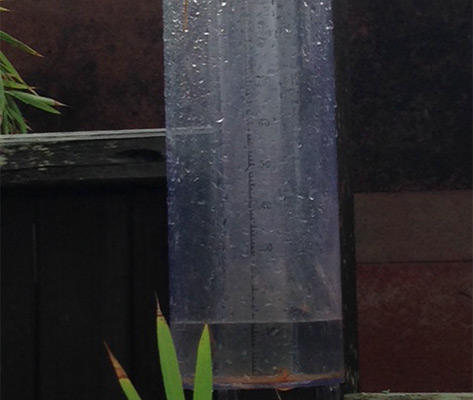
Making The Most Of The Rain
We're happy to say that our rain gauge was overwhelmed by our recent storms! No matter what the amount of rain we get this winter, we don’t want a single drop to go to waste.
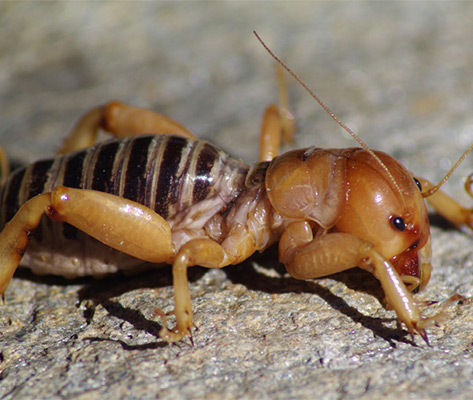
Buggin' Out
OK, we’ll admit it. Some bugs are hard to love. We’re not talking about butterflies, dragonflies, or even bees. We mean those pesky, annoying mosquitoes that force you inside on balmy summer evenings. Or creepy, repulsive Jerusalem crickets, which are so unnerving. Not to mention flies, maggots, and grubs.
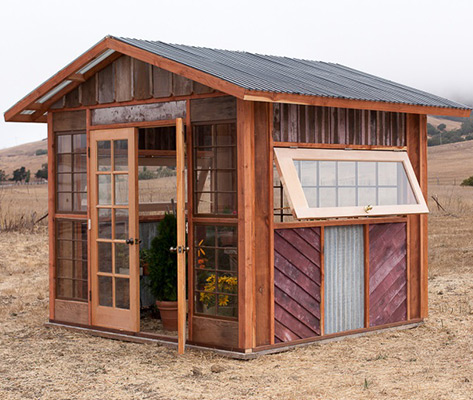
A Place To Grow: A Tale of Serendipity and Sustainability
One definition of serendipity is making desirable discoveries by accident, which is just what happened when we chanced upon the recycled garden structures designed and built by Dana O’Brien of A Place to Grow.
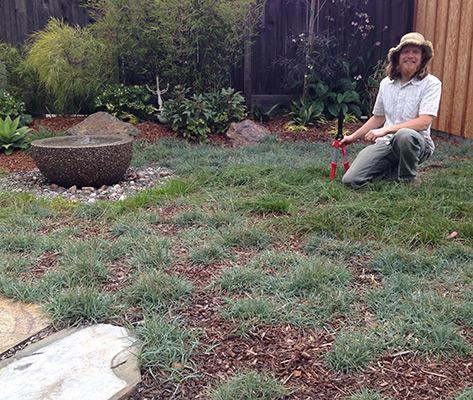
"Mowing" The Drought-Tolerant Lawn
Lawnmowing services exist to give homeowners a break from the tedium of hauling out the mower each week. The hassle, the sweat, the repetition–it seems worth it to shell out a few bucks to skip the mess of grass clippings and go right to the backyard barbecue.
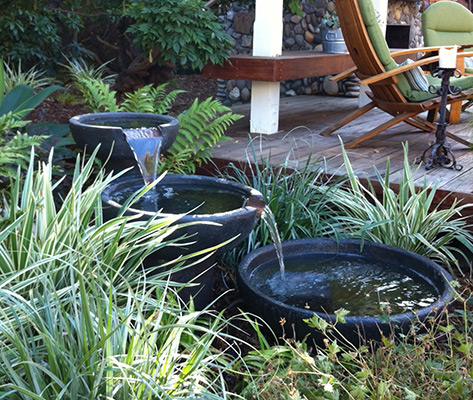
Waterworks in the Garden
Our Earth is known as the “blue planet” because of the abundance of liquid water on its surface. For centuries people have gravitated to ponds, streams, creeks and falls for water’s celebrated healing properties. Today, people continue this tradition in a personalized way, incorporating water features into their home landscapes.